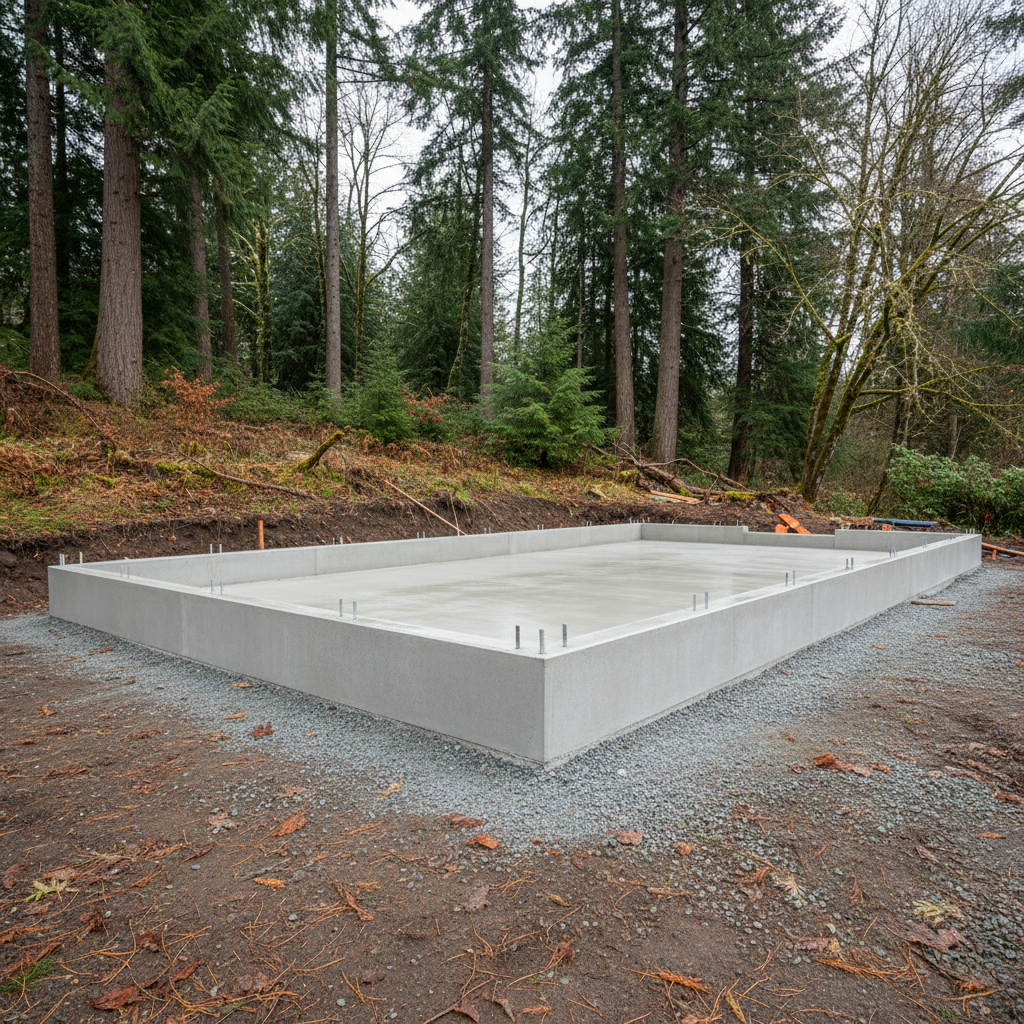
Ever wonder what Bothell's crazy weather does to your home's foundation? It's more than just a slab of concrete, you know; it's the literal base of your entire investment. If you're not thinking about it, well, you really should be. I've seen a lot of foundations around here, everything from the older homes in Canyon Park to the newer builds in Thrasher's Corner, and they all face the same challenges from our wet, freeze-thaw cycles.
When's the Best Time for Foundation Work?
This is probably the most common question I get asked. Everyone wants to know the magic window, right? The truth is, it depends on the specific work, but generally, you're looking for dry, moderate weather. For pouring new concrete or major repairs, that usually means late spring through early fall here in Bothell. We need consistent temperatures, ideally above 40-50 degrees Fahrenheit, for the concrete to cure properly. You don't want it freezing too fast, and you certainly don't want it drying out too fast either.
- Spring (April-June): Often a good bet. The ground's drying out from winter, and temperatures are rising steadily. You might get some rain, but usually not the persistent, cold downpours we see in winter.
- Summer (July-September): This is prime time. Warm, dry days are ideal for most concrete work. Just be mindful of extreme heat, which can cause concrete to dry too quickly if not managed properly.
- Fall (October-November): Can be tricky. Early fall can still be great, but as we get closer to winter, the risk of cold snaps and heavy rain increases significantly. You've got to watch the forecasts closely.
- Winter (December-March): Generally a no-go for major pours or repairs unless it's an emergency and specific cold-weather techniques are used. It's expensive and risky, and frankly, you're better off waiting if you can.
How Weather Messes with Your Concrete
Our Pacific Northwest climate, especially the constant dampness and temperature swings, is tough on concrete foundations. It's not just the rain; it's those freeze-thaw cycles. Water seeps into tiny cracks, then freezes, expands, and makes those cracks bigger. This happens over and over, year after year, slowly but surely.
Then there's the soil. Bothell's got a lot of clay in some areas. Clay soil expands when wet and shrinks when dry. This constant movement, called expansive soil, puts a lot of stress on your foundation. It can lead to settlement issues, cracks, and even structural damage over time. It's why proper drainage around your home isn't just a good idea; it's essential.
Protecting Your Foundation Year-Round
You've got a big investment sitting on that concrete. Here's what you can do to keep it solid:
- Manage Water: This is number one, no question. Make sure your gutters are clean and downspouts extend at least 5-10 feet away from your foundation. The ground around your house should slope away from the foundation, not towards it. If water pools near your house, you're asking for trouble.
- Mind the Landscaping: Don't plant large trees or shrubs too close to the foundation. Their roots can absorb a lot of moisture, causing the soil to dry out and shrink unevenly. Plus, roots can directly damage the concrete.
- Inspect Regularly: Walk around your house a couple of times a year. Look for cracks in the foundation walls, especially horizontal ones or cracks wider than a credit card. Check for areas where the soil has pulled away from the foundation.
- Seal Cracks Early: Small cracks aren't always a disaster, but they're entry points for water. Getting them sealed by a pro like Bothell Concrete Solutions can prevent them from becoming big, expensive problems down the road.
- Maintain Consistent Soil Moisture: This sounds counterintuitive in a wet climate, but in drier spells, especially if you have expansive clay soils, extreme drying can be just as bad as too much water. Sometimes, a soaker hose around the perimeter during a dry summer can prevent excessive soil shrinkage.
Your foundation isn't something to ignore. A little proactive care and knowing when to call in the experts can save you a ton of headaches and money. Keep an eye on it, and it'll keep holding your home up for years to come.