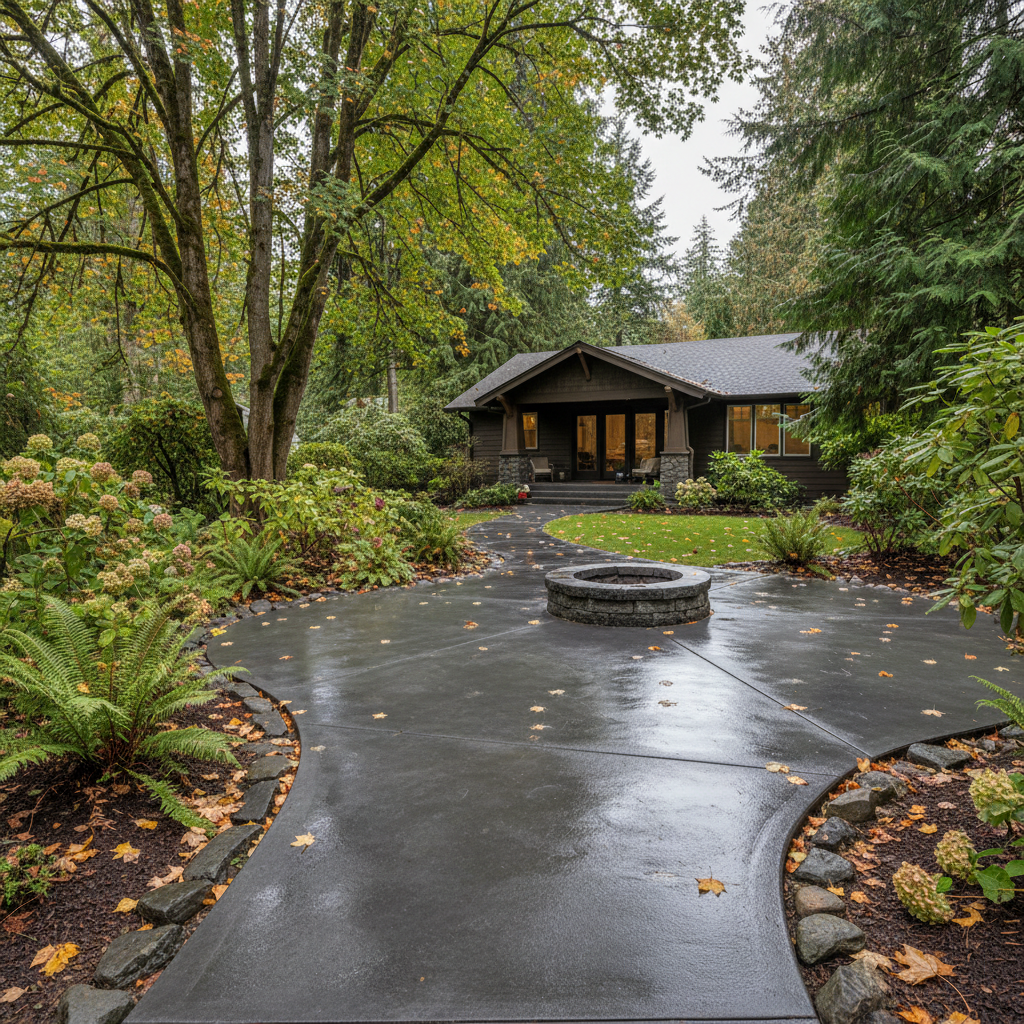
You're probably staring at your concrete patio, walkway, or maybe even your garage floor, thinking, "Man, that could really use some color." Staining concrete is a fantastic way to turn a plain slab into something genuinely beautiful, adding character and value to your home. But here in Bothell, it's not quite as simple as just picking a color and getting to work. Our weather, bless its heart, has a huge say in when and how you should stain your concrete. Ignore it, and you'll likely end up disappointed, trust me.
When to Schedule Your Concrete Staining Project
This part? It's probably the most important. You just can't stain concrete any old time of year in Bothell. We've actually got a pretty specific window for getting it right. Generally, I tell folks to shoot for late spring, summer, or early fall. So, think May through September — maybe even early October if we get a nice, dry stretch.
- Temperature is Key: Concrete staining products, especially acid and water-based stains, need a certain temperature range to cure properly. If it's too cold, they won't react or dry right. Too hot? They'll dry way too fast, which can lead to uneven colors or poor penetration. We're really looking for consistent daytime temperatures between 50°F and 85°F. Nighttime temps shouldn't dip much below 40°F, either.
- Humidity Matters: Our typical Bothell humidity can be a real pain, can't it? High humidity really slows down drying times. If you stain on a super humid day, you risk the stain not fully penetrating or drying evenly. You want low to moderate humidity for the best results, plain and simple.
- Rain, Rain, Go Away: This one's a no-brainer, right? You absolutely cannot stain concrete if rain is in the forecast. Not only will it wash away your freshly applied stain, but moisture in the concrete itself can mess with the application. You need several dry days leading up to the project, and then at least 24-48 hours of dry weather after we apply it for proper curing. Trying to squeeze in a staining job between our typical October downpours in a neighborhood like Canyon Park is just asking for trouble.
So, what's the takeaway from all this? Plan ahead. Check the long-range forecast. Don't try to rush it. A little patience goes a long way when it comes to concrete staining, believe me.
How Weather Conditions Affect the Work
Beyond just picking the right season, the actual weather on the day of application — and the days following — is super critical. It's not just about dodging rain, you know.
- Direct Sunlight: While you want warmth, direct, intense sunlight can actually be an issue. It can make the stain dry too quickly, which leads to lap marks or an uneven finish. Sometimes, we'll schedule work for earlier in the morning or later in the afternoon, or even use temporary shading if the sun is really beating down on the surface.
- Wind: A gentle breeze is fine; it actually helps with drying. But strong winds can be a problem. They can blow dust and debris onto your wet stain, creating imperfections. They can also speed up drying too much, just like direct sunlight.
- Surface Temperature vs. Air Temperature: Remember, the concrete itself needs to be within that ideal temperature range, not just the air around it. A concrete slab sitting in direct sun can be much hotter than the ambient air temperature, and vice-versa if it's been in the shade on a cool day. We always check the surface temperature before we start, every time.
These are the little details that separate a DIY job that might look okay for a bit from a professional finish that truly lasts. When Bothell Concrete Solutions takes on a staining project, we're not just glancing at the calendar; we're looking at the hourly forecast and checking surface temps like hawks.
Protecting Your Stained Concrete Investment Year-Round
Once your concrete is stained and sealed, you've got a beautiful, durable surface. But "durable" doesn't mean "indestructible," does it? You still need to protect it, especially with our wet Bothell winters.
- Seal It Right: The sealer is your first line of defense. It protects the stain from wear, UV rays, and moisture. Make sure a high-quality, appropriate sealer is used for your specific stain and concrete type. And yes, sealers need to be re-applied periodically, usually every 2-5 years depending on traffic and exposure. Don't skip this step.
- Clean Regularly: Sweep or blow off leaves and debris regularly. Dirt and grit are abrasive and will wear down your sealer over time. For spills, clean them up quickly. Stained concrete is generally resistant, but some harsh chemicals or acidic spills can etch the sealer or even the stain itself if left too long.
- Avoid Harsh Cleaners: Stick to mild, pH-neutral cleaners. Bleach, harsh acids, or abrasive scrubbers can damage the sealer and dull the stain. A simple solution of dish soap and water often does the trick, honestly.
- Watch for Standing Water: In areas that tend to collect standing water, especially during our rainy season, keep a close eye on it. Prolonged exposure to moisture can sometimes compromise the sealer. Make sure you have good drainage around your stained surfaces.
- Winter Care: This is a big one for us around here. Avoid using rock salt or de-icers on stained concrete. Many of these products are corrosive and can damage the sealer and the concrete itself. Sand is a much safer alternative for traction. If you're using a snow shovel, use a plastic one and be gentle.
Taking a little time for maintenance will keep your stained concrete looking sharp for years. It's an investment, and like any investment, it needs a bit of care to really pay off. If you've got questions about your specific concrete staining project or need a hand, you know who to call.