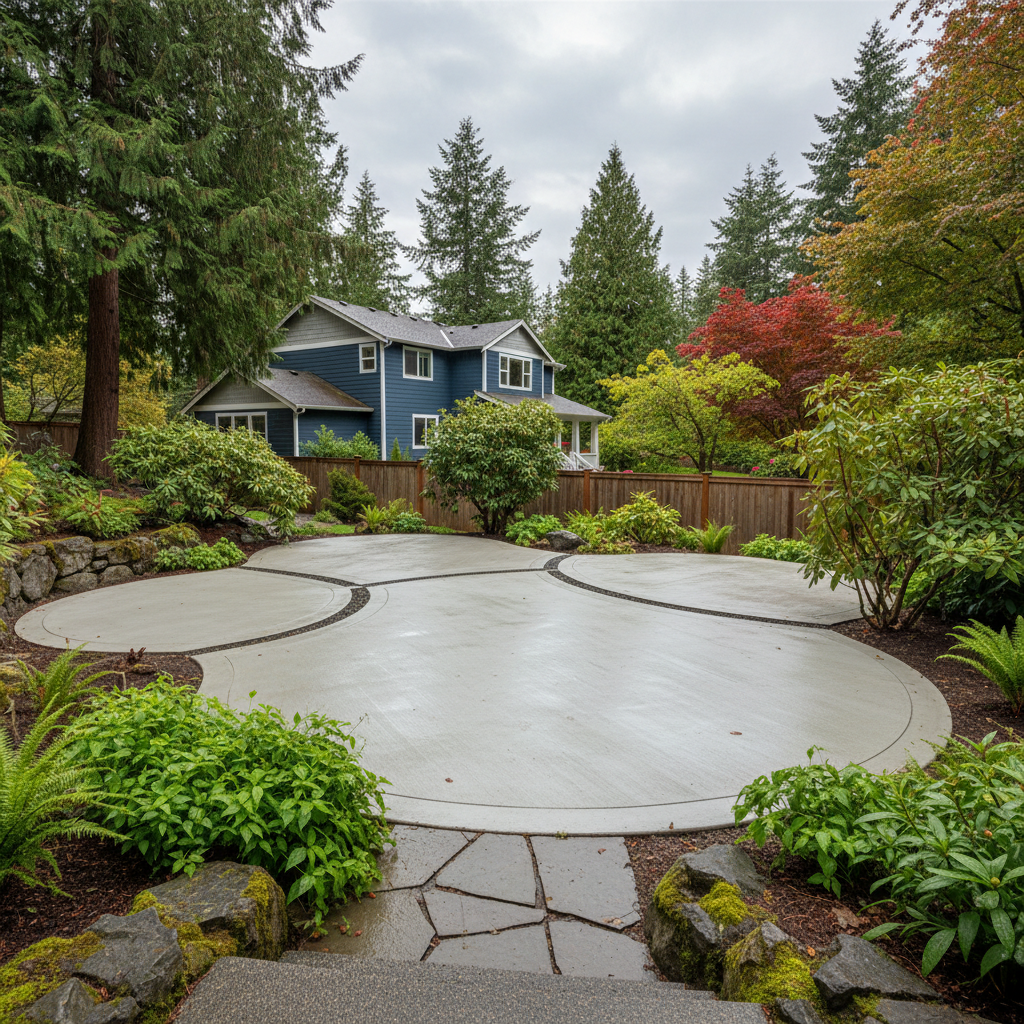
You're probably wondering when it's best to get that new concrete patio poured, or maybe how to keep your existing one from looking totally beat up by our Pacific Northwest weather. It's a fair question, really, and honestly, the timing makes a huge difference. Here in Bothell, we've got some unique challenges, especially with all the rain and those freeze-thaw cycles we get.
When's the Best Time to Pour a New Patio?
Look, everyone wants their patio done yesterday, but with concrete, patience pays off. The ideal window for pouring concrete around here is usually late spring through early fall. Think May, June, July, August, even into September if we get a decent dry spell. Why then?
- Consistent Temperatures: Concrete cures best when temperatures are steady, ideally between 50°F and 80°F. This helps it gain strength properly without cracking from rapid expansion or contraction, you know?
- Less Rain: This one's a no-brainer. Pouring concrete in the rain is a recipe for disaster. It dilutes the mix, weakens the surface, and can lead to all sorts of issues down the line. Even a light drizzle can be problematic during the finishing stages.
- Longer Days: More daylight means we can get the job done efficiently and make sure everything's finished just right before dark.
We've definitely done pours in October and even November, but it's always a gamble with the weather. You need a solid forecast for at least 48-72 hours of dry, mild weather. Anything less, and you're just asking for trouble. If you're in an older neighborhood like Canyon Park or North Creek, where the soil can be pretty clay-heavy, good drainage and proper sub-base preparation become even more critical, especially with our wet seasons.
Weather Conditions That Can Mess Things Up
Beyond the obvious rain, a few other weather factors can impact your concrete project:
- Freezing Temperatures: Pouring concrete when it's below 40°F and expected to freeze overnight is a big no-no. Water in the concrete can freeze, expand, and damage the structure before it's even had a chance to cure. We use special admixtures and blankets if we absolutely have to pour in colder temps, but it's always better to avoid it.
- High Heat and Direct Sun: While less common here than in, say, Arizona, really hot, sunny days can cause concrete to dry too quickly. This can lead to surface cracking or a weaker finish. We'll use curing compounds or keep it wet to slow down the drying process if it's super hot.
- Wind: Believe it or not, strong winds can also cause concrete to dry out too fast, especially the surface. We'll often put up windbreaks or use curing agents to combat this.
Protecting Your Concrete Patio Year-Round
Once your beautiful new patio is in, you want it to last, right? Here's how to keep it looking sharp, no matter what Bothell throws at it:
- Seal It: This is probably the most important thing you can do. A good quality penetrating sealer should go on within a month or two of the pour, and then you'll reapply it every 2-3 years. It's like sunscreen for your concrete, protecting it from moisture, stains, and those damaging freeze-thaw cycles that break down the surface.
- Clean Regularly: A simple sweep and occasional rinse with a hose is usually all it takes. For tougher spots, a mild detergent and a stiff brush will do the trick. Avoid harsh chemicals or pressure washers that are too powerful, as they can damage the sealer or even the concrete surface itself.
- Deal with Spills Immediately: Oil, grease, rust, even spilled plant food can stain concrete if you leave it too long. Blot it up, then clean the area thoroughly.
- Mind the Moss and Algae: Our damp climate is perfect for moss and algae growth. It's not just ugly; it can make your patio slippery. A gentle scrub with a moss killer designed for concrete or a diluted bleach solution (rinse thoroughly!) can keep it at bay.
- Avoid De-icing Salts: This is a big one. Most de-icing salts contain chlorides that are terrible for concrete. They can cause spalling (flaking) and accelerate damage. Use sand for traction, or a de-icer specifically labeled as concrete-safe, like those containing calcium magnesium acetate (CMA).
- Watch for Cracks: Small hairline cracks are pretty normal, but if you see larger, expanding cracks, or areas that are sinking, it's time to call in a professional. Early intervention can save you a lot of headache and money down the road. That's where Bothell Concrete Solutions comes in; we can assess the situation and recommend the best course of action.
Taking a little time to understand the weather and care for your concrete will ensure your patio stays a great outdoor space for years to come. It's an investment, and like any investment, it needs a bit of looking after.